Rurality and the Weight of the Unspoken: A Silent Tension in "Light as Feathers" and "The Day Has Gone"
12/23/2025
12/02/2025
In European arthouse cinema, certain films take an intimate approach to exploring the different stages in life where we learn about who we were and who we are becoming. Four recent works – Notes on a Summer (2023), The Night She Moves (2018), Have You Seen This Woman? (2022) and I Have Already Died Three Times (2025) – share a common interest in identity, memory, desire and transformation. Together, they create an emotional portrait of life in transition.
Marta returns to her hometown of Gijón in Spain and unwittingly reopens the wound of a past love she had chosen to forget. Through her return, the film portrays both the fragility of reconstructed memories and the power of ‘springtime of life’ moments that resurface when we least expect them. The narrative moves between distance and intimacy, capturing what it feels like to become a teenager again over the course of a summer. In the present, Marta must confront what has shaped her. Director Diego Llorente’s work is a perfect example of how auteur cinema questions the ever-shifting nature of identity and memory.
The next masterpiece? It’s up to you to decide! Watch Notes on a Summer here and give the film a chance to shine.

Max and Emma wander through a nocturnal Barcelona that mirrors their unspoken doubts and desires. Their friendship, both profound and fragile, gradually evolves, revealing a pivotal moment when relationships shift and take on new forms. The film captures the confusion of youth, where we move between carelessness and the search for something absolute. Here, life in transition is as much about intensity and excitement as it is about the fear of losing everything.
The next masterpiece? It’s up to you to decide! Watch The Night She Moves here and give the film a chance to shine.

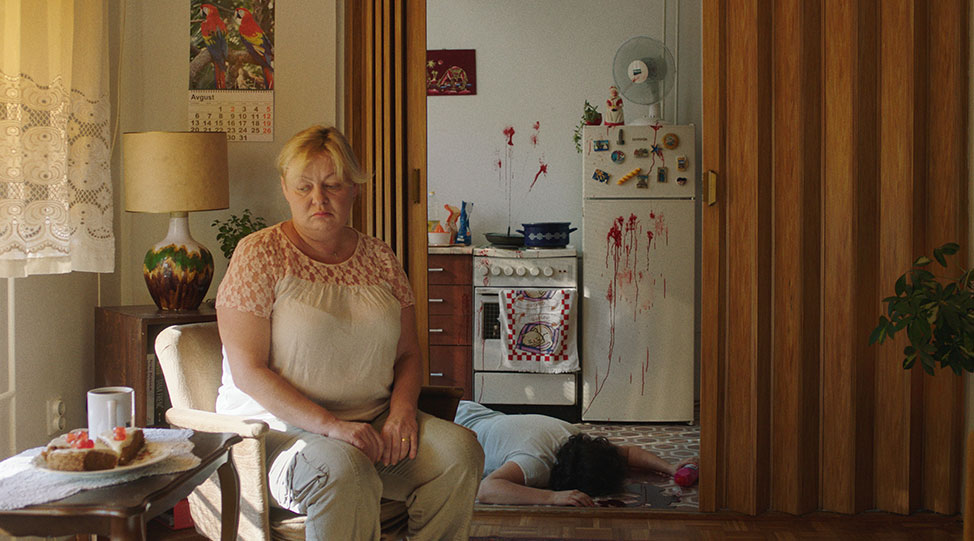
A similar questioning appears here, though now focused on middle age. Confronted with the realities of her own life, Draginja navigates between fragmented memory and identity. The multi-layered narrative of the film showcases the inner evolution of a woman who, despite the passing years, is still seeking to understand herself. Maturity emerges not as a fixed state but as a new frontier to explore. Another springtime, perhaps quieter, but no less intense.
The next masterpiece? It’s up to you to decide! Watch Have You Seen This Woman? here and give the film a chance to shine.
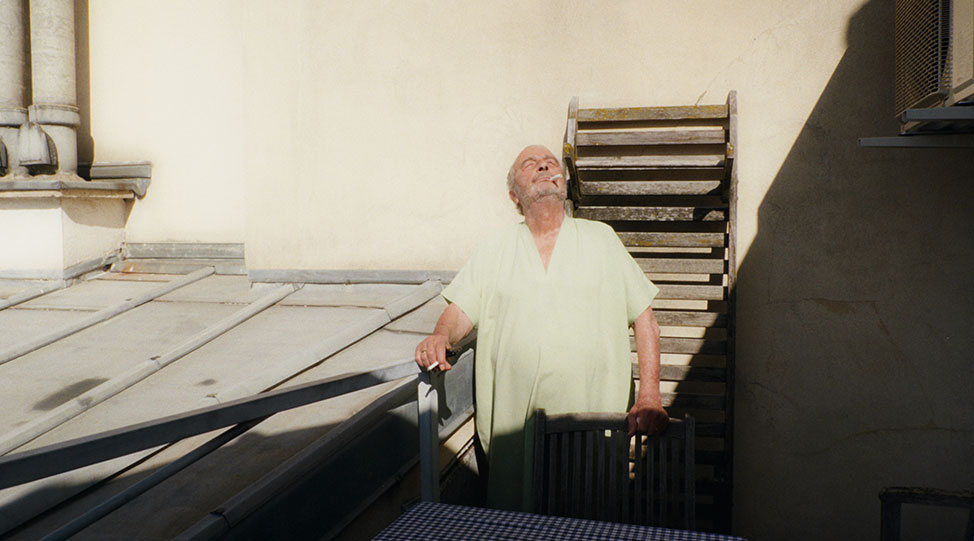
Finally, I Have Already Died Three Times offers a documentary portrait of Jacques Nolot, blending desire, doubt, aging and reflections on death. The film addresses questions of memory and the changing body, sketching the contours of a life that, even in decline, continues to demand its share of dreams. Here more than anywhere, intimacy becomes both a creative space and a realm of resistance.
The next masterpiece? It’s up to you to decide! Watch I Have Already Died Three Times here and give the film a chance to shine.
These four films form a coherent whole – each explores a different stage of life, but they all cover the topic of transformation. Whether through a first love, a disrupted friendship, a search for identity, or continually reconstructed memory, the films demonstrate that life cannot be reduced to a single narrative. Generous and profoundly humanist, they invite us to embrace our own transitions and to recognise a deeper truth – that a hidden form of beauty lies in uncertainty, waiting to bloom.
Interested? Discover the ArteKino 2025 festival selection here. European cinema is in your hands, vote to support it!

12/23/2025

12/23/2025

12/22/2025

12/19/2025