Rurality and the Weight of the Unspoken: A Silent Tension in "Light as Feathers" and "The Day Has Gone"
12/23/2025
12/15/2025
Motherhood is often idealised, yet it can also be marked by absence, pain and complexity. Films such as Vicente Aranda’s Mad Love (2001), Dušan Zorić and Matija Gluščević’s Have You Seen This Woman? (2022), Charlotte Shioler’s Maoussi (2024) and Márta Mészáros’s The Day Has Gone (1968) explore these more shadowed territories through absent mothers, unwanted pregnancies and identities shaped by loss. Using distinct styles and eras, the four films examine what happens when motherhood is imposed, refused or fractured.
In Mad Love, the historical figure of Joanna of Castile is trapped in a maternal role used as a political tool. Motherhood becomes an obligation, not a space for fulfilment or autonomy.
Curious? Watch Mad Love here for free.

Have You Seen This Woman? takes a different route, presenting motherhood through a fragmented, dreamlike lens. Its protagonist drifts at the edge of her own life, revealing an identity eroded by expectation — where motherhood is felt as much through absence as through presence. The next masterpiece? It’s up to you to decide!
Watch Have You Seen This Woman? here and give the film a chance to shine.
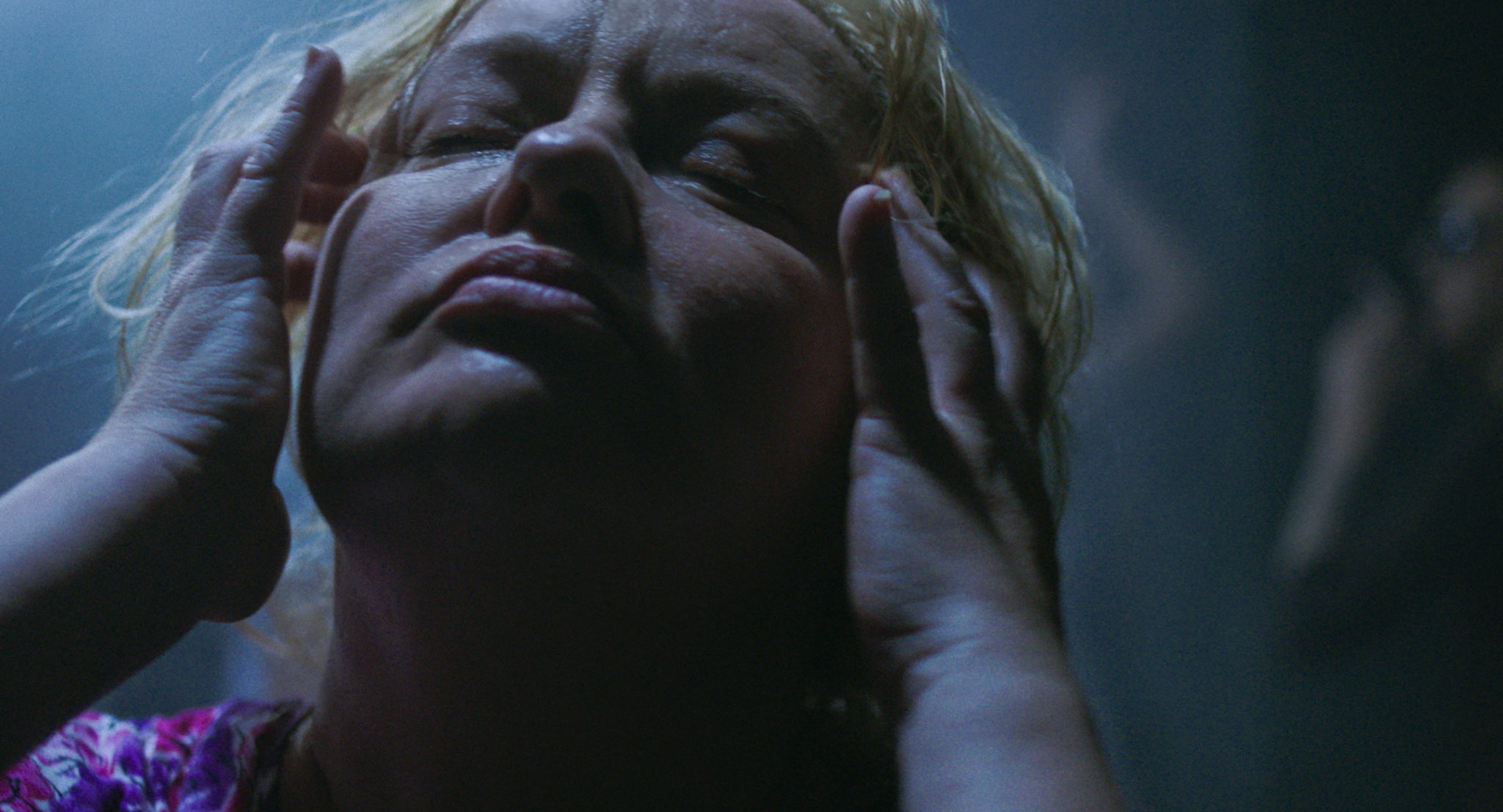
Together, these films highlight realities often left unspoken. Not all women want children, and many experience motherhood through isolation, ambivalence or denial. Social pressure, unwanted pregnancy and the ideal of the “good mother” can create difficult paths where genuine choices feel limited.
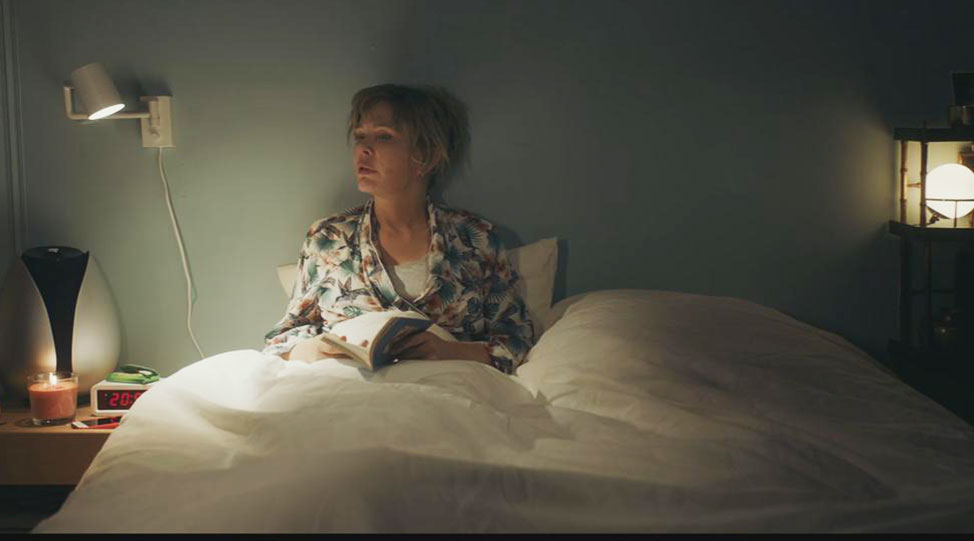
In Maoussi, Schioler explores a mother–child relationship shaped by emotional fractures, unspoken tensions and the challenge of passing on what one has never fully received. The film underscores a fundamental truth, that maternal love is not automatic — it is complex, negotiated and often fragile.
The next masterpiece? It’s up to you to decide! Watch Maoussi here and give the film a chance to shine.
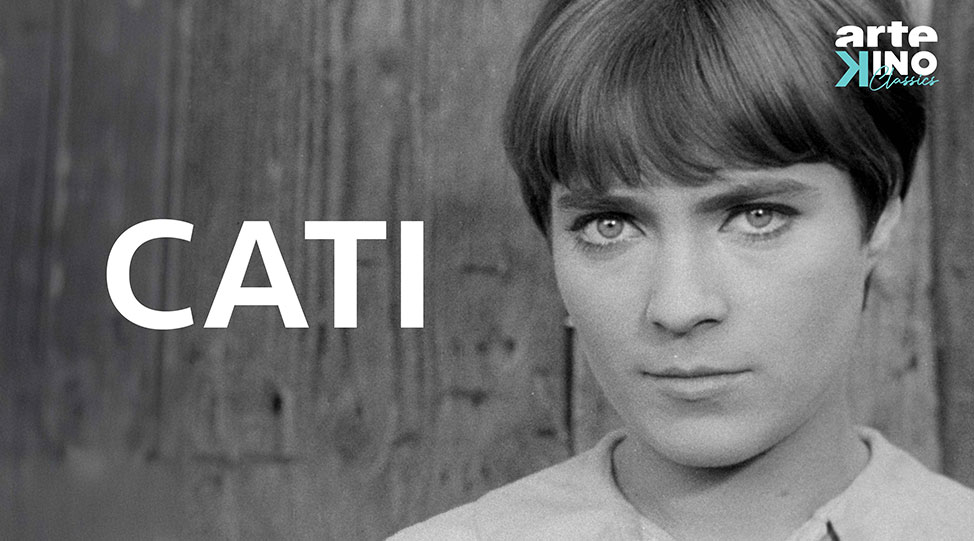
Mészáros’s The Day Has Gone asks a piercing question: how does someone become a mother when they were raised without a stable foundation themselves? Its protagonist — the daughter of a young single mother and a child of the care system — faces motherhood as a precarious balance between independence and responsibility.
Curious? Watch The Day Has Gone here for free.
These narratives emphasise that motherhood is far from uniform; it is a constellation of experiences, often marked by contradiction and ambivalence.
A striking theme running through these films is the near-total absence of fathers. Whether physically missing, emotionally distant or simply irrelevant to the narrative, their absence increases the burden carried by women. Without meaningful co-parenting, the protagonists face decisions, fears and regrets alone. This void often creates unbalanced forms of motherhood, where emotional, practical and economic responsibility falls solely on women.
Maternal abandonment — still a taboo subject — appears across these films as both a painful rupture and a stark reality. When mothers disappear, whether through choice, desperation or incapacity, children are left to navigate loneliness, overburdened institutions and identities shaped by absence.
Rather than judging the act, these films place it within broader social and psychological contexts defined by poverty, oppression and a lack of support. In cinema, as in life, abandonment can sometimes be an act of survival rather than rejection.

12/23/2025
12/23/2025

12/22/2025

12/19/2025