Rurality and the Weight of the Unspoken: A Silent Tension in "Light as Feathers" and "The Day Has Gone"
12/23/2025
12/12/2025
Fréwaka (2024), Mad Love (2001) and Moral Order (2020) all explore how women labelled as “mad” are judged, constrained and misunderstood — and how these labels reveal the deeper mechanisms of repression in society.
Women who are marginalised, eccentric or deemed unstable have become recurring figures in cinema. Through their difference — whether lived, projected or reclaimed — they challenge our assumptions about norms, freedom and power. Three striking films take on this theme from distinct angles: Aislinn Clarke’s Fréwaka, Vicente Aranda’s Mad Love and Mário Barroso’s Moral Order. Together, they offer a powerful look at how women are pathologised in patriarchal cultures.
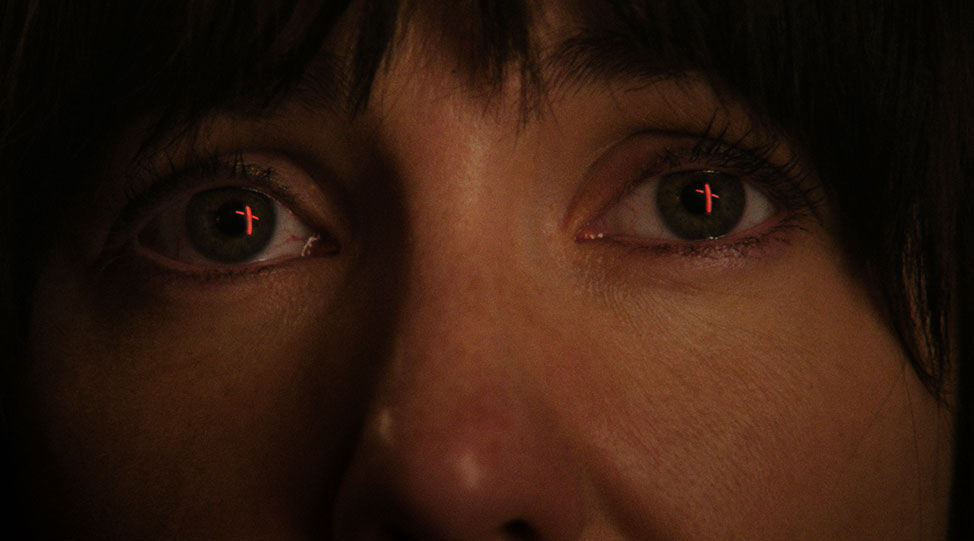
Aislinn Clarke’s Fréwaka follows a young woman who crosses paths with another woman labelled by society and psychiatric institutions as agoraphobic and paranoid. Through this encounter, she begins searching for space to breathe in a world that rejects her choices.
The film treats “madness” not as rebellion but as retreat — a private refuge carved out in response to suffocating social, family or religious expectations. What looks like dissidence from the outside is, at its core, a descent into trauma and buried memory. Clarke weaves folklore into the film as a symbolic language for confronting what cannot be spoken.
With its immersive direction, Fréwaka paints a nuanced portrait of female inner exile, showing how marginalisation arises both from society’s gaze and from the need to protect oneself while trying to make sense of one’s own history.
The next masterpiece? It’s up to you to decide! Watch Fréwaka here and give the film a chance to shine.
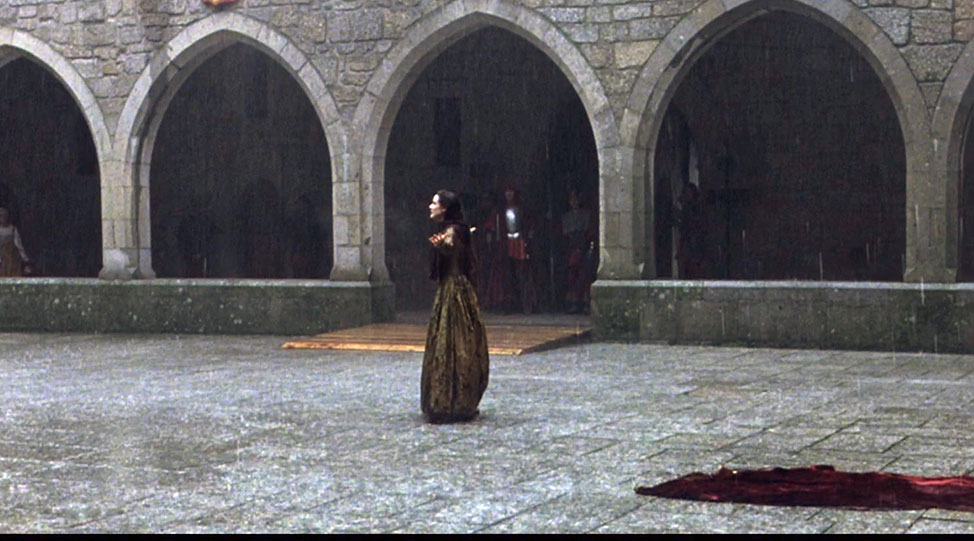
In Mad Love, Vicente Aranda revisits the life of Joanna of Castile. Branded “the Mad,” she has long been cited as a symbol of female instability — a label shaped as much by political manipulation as by personal struggle.
Aranda presents Joanna as a complex, passionate woman trapped in a web of family pressure and patriarchal power. Her supposed “madness” becomes a tool used against her, serving the interests of those who wanted her silenced. Through Joanna’s story, the film examines how emotion, authority and gender collide to shape society’s understanding of madness.
Curious? Watch Mad Love here for free.
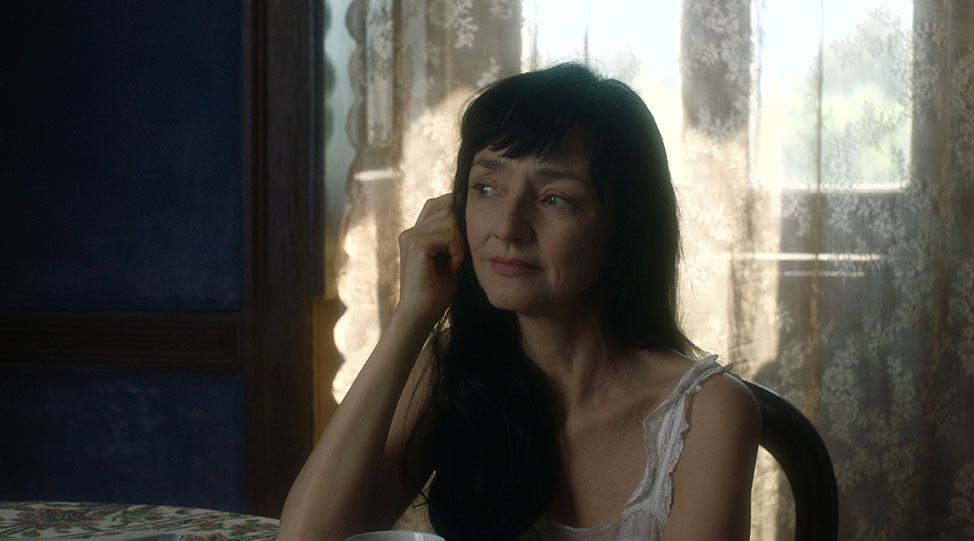
Mário Barroso’s Moral Order portrays women living under a rigid moral code where any expression of independence is treated as deviance. In this tightly controlled world, stepping outside prescribed roles is enough to earn the label of “mad.” With grounded direction and piercing dialogue, Barroso reveals the heavy weight of collective judgment on women who attempt to assert their individuality.
Curious? Watch Moral Order here for free.
Though diverse in setting and style, these three films share a core question: who decides what counts as “madness,” and why are women so often the ones condemned by it?
Whether through inner retreat (Fréwaka), historical distortion (Mad Love), or moral regulation (Moral Order), each film uses “madness” as a lens to expose the structures that police femininity. Cinema becomes a mirror — reflecting not the instability of women, but the fragility of the norms used to control them.

12/23/2025

12/23/2025

12/22/2025

12/19/2025