Rurality and the Weight of the Unspoken: A Silent Tension in "Light as Feathers" and "The Day Has Gone"
12/23/2025
12/19/2025
Music is not just an art form: it is a force of transformation, a way to access oneself, to reinvent oneself, and to stand firmly in the world. Throughout history, it has accompanied human beings in their search for inner freedom; it gives shape to our deepest emotions and to our emerging identities. Today more than ever, music appears as a tool for self-subjectivation, a space where each person can create their own narrative, assert their uniqueness, and claim their story.
This dynamic lies at the heart of certain striking contemporary creations, such as Who if not us by Nicole Medvecka and 100 Seasons by Giovanni Bucchieri. These two works explore emancipation through sound, voice, rhythm—and, above all, through listening to oneself.
One of the most fascinating powers of music is its ability to reconnect us with ourselves. It acts as an emotional mirror, revealing what we cannot express and structuring what we struggle to understand. This introspective dimension is fully present in Who if not us, which questions each individual’s capacity to rise, to define oneself and to take one’s place in the world.
The next masterpiece? It’s up to you to decide! Head here to discover Who if not us and give it a chance to shine!
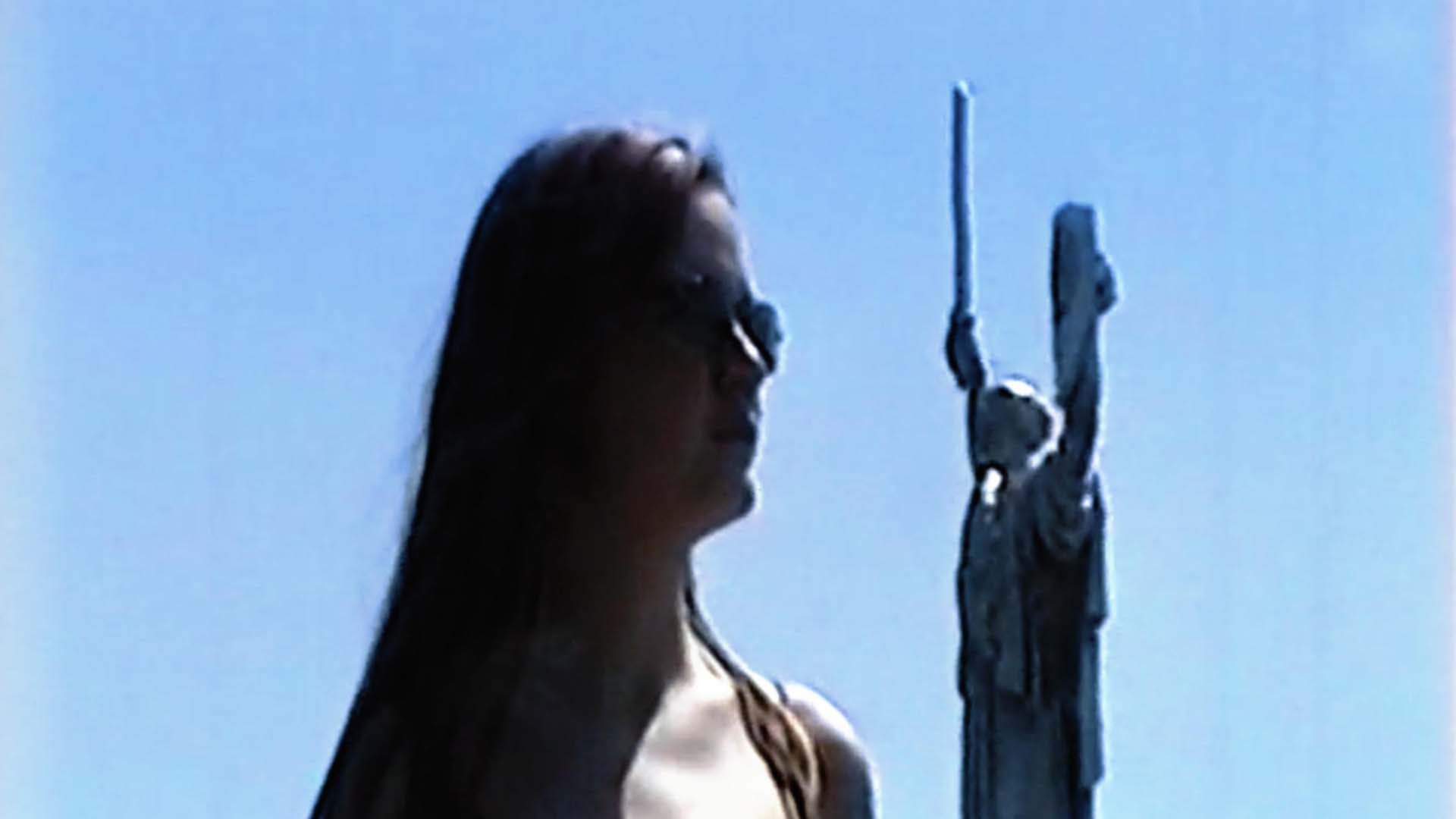
By placing rhythm and voice centre stage, Medvecka transforms music into a tool of self-affirmation. The question “Who if not us?” resonates like a vibrant call to both individual and collective responsibility: who other than us could write our own story?
Emancipation also passes through the body—through the way it responds to rhythm and unfolds in space. In 100 Seasons, Giovanni Bucchieri explores fifty years of life through different musical “seasons,” conceived here as a kind of sonic diary. This incandescent work illustrates how musical gesture can reconnect us to our deeper layers and become a gateway to self-acceptance and self-understanding.
Interested? Discover 100 Seasons for free right here. Enjoy the film!
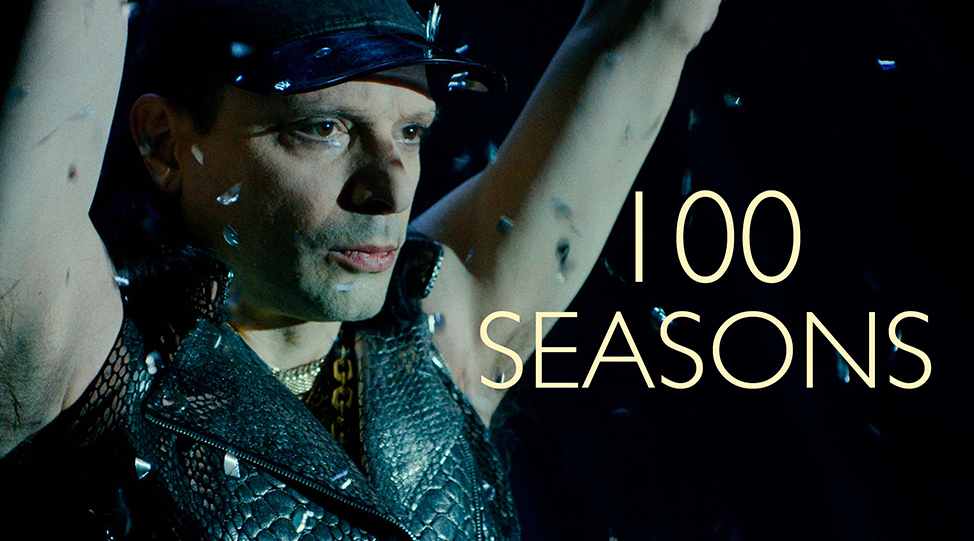
Music then becomes a rite of passage, a way of embracing one’s difference—or even celebrating it. In this sense, it acts as a therapeutic and liberating space.
Beyond the purely individual level, music also carries a deeply political dimension. It creates communities, unifies dispersed voices, and offers a place of existence to oppressed or invisibilised identities. For many marginalized populations, music is both a refuge and an armour—a way of saying, in essence, “we are here, we exist.”
100 Seasons illustrates this power of assertion, especially in the way it celebrates each person’s uniqueness. Accepting one’s difference then becomes a political act, a form of resistance against oppressive norms that seek to standardise bodies and identities.
Whether through the introspection of a generation, as carried by Medvecka, or through Bucchieri’s autobiographical journey, these works show that music is far more than mere entertainment: it is, in many ways, a tool of emancipation and a driver of social transformation. It accompanies ruptures, frees up inner revolts, and offers a space where identities can finally flourish.
The question remains urgent and inspiring: Who if not us will use music to liberate ourselves and transform the world?
Interested? Access the ArteKino catalogue freely right here. Happy watching!

12/23/2025
12/23/2025

12/22/2025

12/16/2025