Rurality and the Weight of the Unspoken: A Silent Tension in "Light as Feathers" and "The Day Has Gone"
12/23/2025
12/08/2025
The figure of the twin has long been a way for European cinema to explore identity, morality and human connection. In films like Ildikó Enyedi’s My 20th Century (1989), Clara and Laura Laperrousaz’s Sunbeat (2017) and Austeja Urbaite’s Remember to Blink (2022), literal and metaphorical twins — or closely paired characters — become powerful tools for examining duality, trauma and belonging. Each film shows how sameness and difference can coexist, revealing something essential about the human experience.
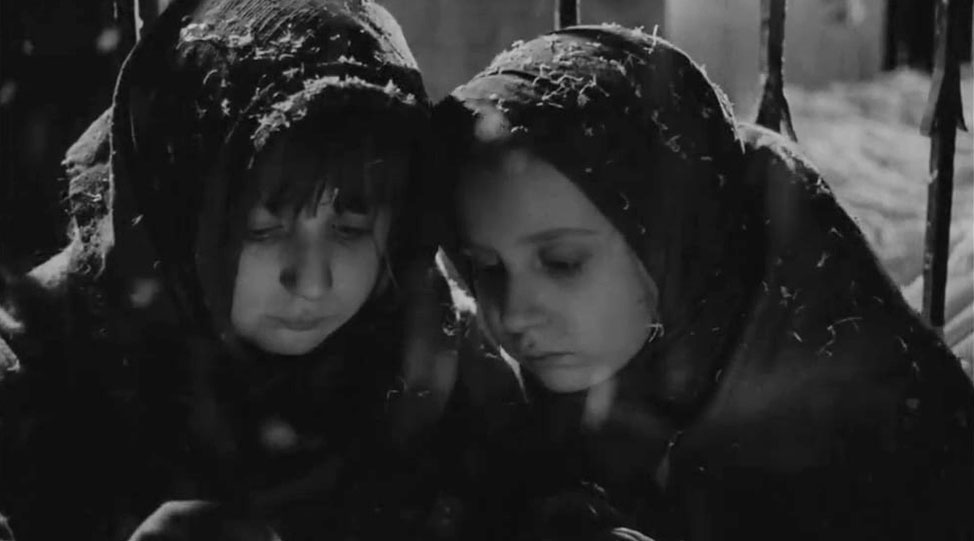
In My 20th Century, Enyedi introduces one of cinema’s most striking duos – Dóra and Lili, twin sisters separated in childhood at the dawn of modernity. They grow up in opposite worlds – one becomes a seductive writer, the other a revolutionary anarchist. Their identical appearance is starkly contrasted with their opposing ideologies, turning their twinship into a reflection on modern womanhood. While Dóra embodies sensuality and materialism, Lili represents intellect and political defiance. Through them, Enyedi captures the fractured identity of the 20th century woman, torn between desire and duty, pleasure and progress. The film’s luminous black and white cinematography, along with Enyedi’s fascination with electricity and technology, introduces yet another layer of contrast – light and shadow, invention and destruction.
The French-Portuguese drama Sunbeat brings the twin motif into the private space of a family. Directed by twin sisters Clara and Laura Laperrousaz, the film follows Iris and Gabriel as they spend a summer in Portugal with their six-year-old twin daughters, Emma and Zoé. Beneath the idyllic setting lies a quiet tension connected to the taboo death of an older sibling. Although the girls appear inseparable, small emotional cracks start to show. Their identical faces become mirrors reflecting denial, innocence and unease. Here, twinship becomes a way to portray the aftershocks of grief within a family — the impossibility of perfect unity, even when two children seem the same. By casting real twins and using symmetrical compositions, the Laperrousaz sisters turn family intimacy into a haunting psychological study of memory, loss and repetition.

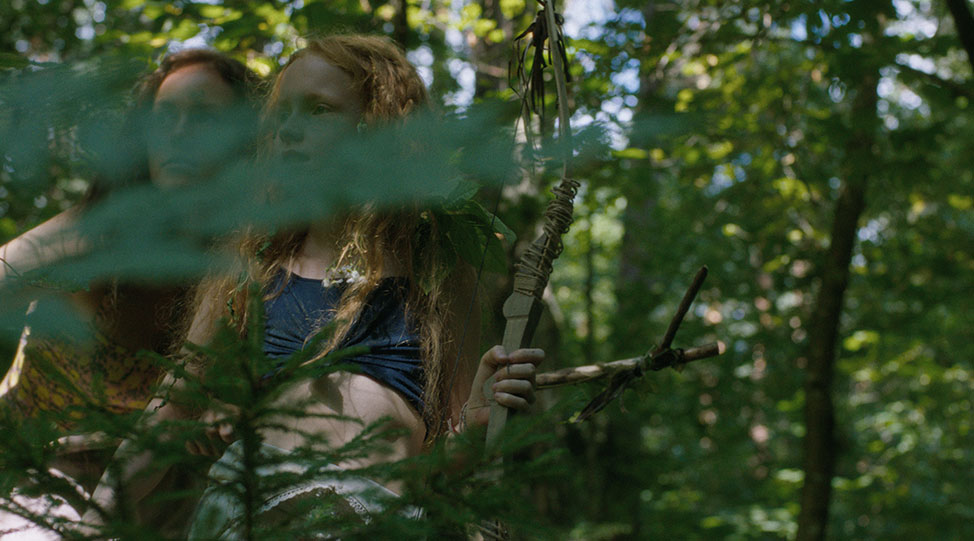
Austeja Urbaite’s Remember to Blink uses the idea of twins more metaphorically. The story follows a French couple who adopt two Lithuanian children, bringing in a young translator, Gabriele, to help them adjust. The children are not twins, but they function as a symbolic pair – bound together by displacement and gradually pulled apart by the competing expectations of the adults that surround them. As Gabriele grows closer to the children and the parents become more controlling, the film builds a network of emotional dualities — native versus foreign, parent versus caregiver, authority versus empathy. The children, caught between these forces, echo the classic twin dynamic in which two lives are linked yet are never identical.
Curious? Watch Remember to Blink here for free.
Across these three films, the twin figure — whether literal or metaphorical — becomes a prism for examining identity and transformation. Enyedi’s mythic twins capture the contradictions of modernity; the Laperrousaz sisters’ child twins reveal a family marked by loss; Urbaitė’s adopted siblings explore cultural dislocation.
Twinship offers cinema a way to probe the fragile boundary between self and other, unity and division, love and control.

12/23/2025

12/23/2025

12/22/2025

12/19/2025