Rurality and the Weight of the Unspoken: A Silent Tension in "Light as Feathers" and "The Day Has Gone"
12/23/2025
12/22/2025
The relationship between humans and their environment has never ceased to fascinate filmmakers. Some films manage to transform settings into true dramatic partners, capable of expressing or conveying what characters sometimes cannot voice themselves. Off the Beaten Track by Hugo Vieira da Silva, The Mark of The Day by Louis Daquin, and Germany, Year Zero by Roberto Rossellini are among these works where space becomes a force, a catalyst, or even a revealer. And what a pleasure it is to dive into such striking universes!
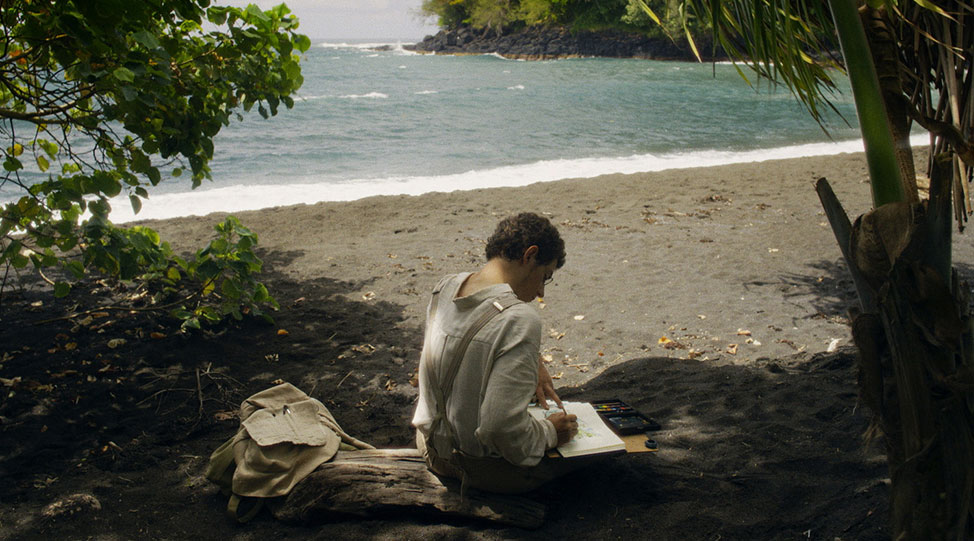
In Off the Beaten Track, the environment is not merely a backdrop: it breathes, stretches, and envelops the characters. Hugo Vieira da Silva offers a contemplative cinema in which every shot seems to charge the atmosphere with an almost metaphysical weight. Deserted expanses and abandoned roads shape the inner state of the protagonists, as if geographical solitude amplified their own wanderings. This fusion between human and landscape creates an almost sensory sense of immersion and reinforces the poetic dimension of the story.
The next masterpiece? It’s up to you to decide! Discover Off the Beaten Track here!
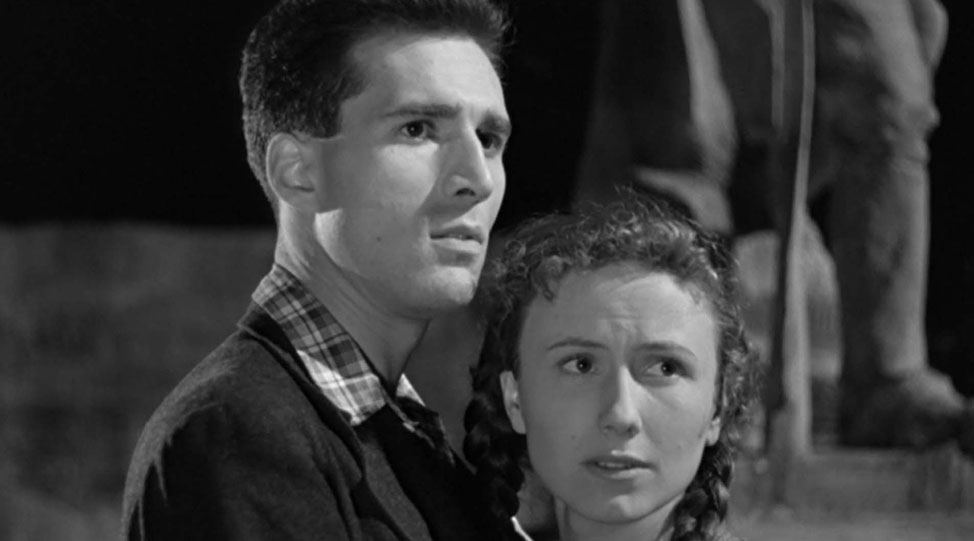
In contrast to this almost abstract approach, Louis Daquin anchors The Mark of The Day in a realism deeply rooted in 1940s northern France. Here, the environment is not an escape but a daily reality of factories, working-class streets, smoke, and steel. Yet what a human pulse emanates from it! The city becomes a living entity, an organism that shapes behaviour, solidarity, and tension. For Daquin, humans are not separate from their surroundings: they are its product, witness, and vector. This osmotic relationship between individual and social environment gives the film a political and emotional power that still resonates today.
Interested? Watch The Mark of The Day for free here. Enjoy!
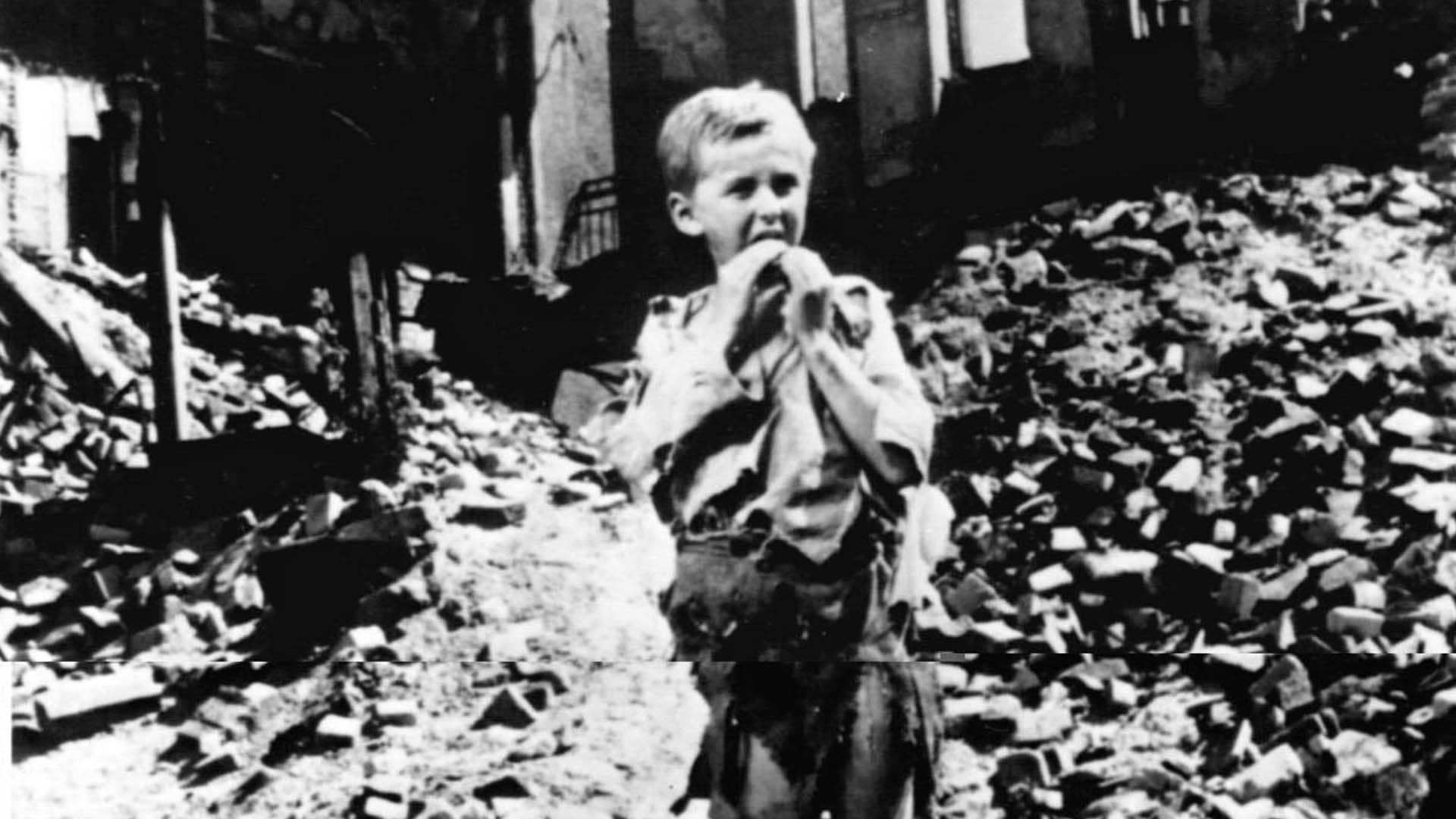
In Germany, Year Zero, Rossellini takes this symbiosis even further. Post-war devastated Berlin is not merely shown; it is felt, inhabited, and absorbed through the gaze of the child Edmund. The colossal ruins become a direct extension of his moral disarray. The destroyed environment is not a backdrop; it embodies the fall of a world and the impossibility of reclaiming lost innocence. The setting literally carries the story: without these ruins, the film would lose its tragic force. Rossellini captures the ultimate fusion between human and space: the landscape does not just accompany the drama, it shapes it.
Whether it’s the silent vastness of Vieira da Silva, the working-class social fabric of Daquin, or the shattered ruined city of Rossellini, these three films each celebrate a fundamental principle: humans never exist independently of their surroundings. Whether geographical, social, or historical, the environment always shapes their choices, sensibilities, and trajectory.
It is precisely this intimate, almost organic connection between humans and environment that gives these works their strength, beauty, and universal appeal.
Interested? Access the ArteKino catalogue for free here. Enjoy!

12/23/2025
12/23/2025
12/19/2025

12/16/2025